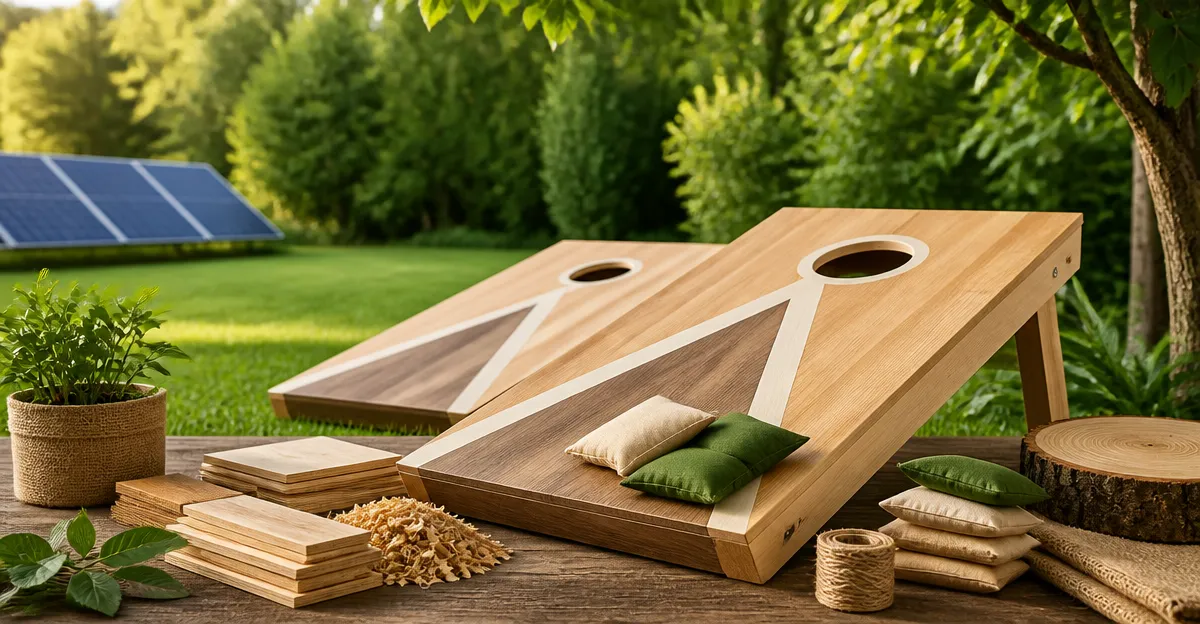
The Ultimate Guide to Eco‑Friendly Cornhole Boards: Sustainable Materials, DIY Builds & Buying Tips
Introduction
Eco‑friendly recreation is gaining momentum as consumers seek products that minimise environmental impact while delivering high performance. This guide explores the world of sustainable cornhole boards, offering readers a clear understanding of material choices, do‑it‑yourself construction techniques, and informed purchasing decisions. Readers will learn how to evaluate durability, weight, and customisation potential, as well as how to balance cost against ecological benefits. By the end of this article, one will possess the knowledge required to select or create a cornhole set that aligns with both recreational goals and environmental values.
Background and Context
Cornhole, a popular lawn game, traditionally relies on plywood or particle board that may contain harmful adhesives and non‑recyclable finishes. Modern manufacturers have begun to adopt responsibly sourced wood, recycled plastics, and low‑VOC finishes to reduce the carbon footprint of each board. Understanding the life‑cycle of a board—from raw material extraction to end‑of‑life disposal—helps players make choices that support sustainable forestry and waste reduction. In addition, many enthusiasts enjoy personalising boards, a practice that can be achieved responsibly when the base material is environmentally sound.
Sustainable Materials for Cornhole Boards
Three primary material categories dominate the eco‑friendly market: reclaimed solid wood, certified Baltic birch plywood, and recycled‑plastic composites. Reclaimed solid wood, often sourced from salvaged furniture, provides a sturdy platform while diverting waste from landfills. Certified Baltic birch offers consistent grain, high strength, and is typically harvested under strict forest stewardship programmes. Recycled‑plastic composites combine durability with water resistance, though they may lack the natural aesthetic of wood.
When evaluating a product, consider the following criteria: source certification (e.g., FSC), presence of non‑toxic finishes, and the ability to repair or recycle the board at the end of its useful life. Boards that use 100% solid wood without added laminates tend to be the most recyclable, while those with polyurethane coatings may require special disposal. The following product examples illustrate how manufacturers apply these principles.
For instance, the GoSports Wood Cornhole Set is handcrafted from 100% pine wood, featuring a varnished cabinet‑grade plywood surface that meets ACA regulation standards. Its solid‑wood construction, combined with a recyclable finish, makes it a strong candidate for environmentally conscious players. Similarly, the GoSports Wooden Cornhole Boards employ a light brown stain on pine frames, offering a natural look without excessive synthetic coatings.
The Cornhole365 Custom Boards are constructed from 3/4‑inch Baltic birch plywood, a material praised for its sustainable harvest and minimal waste. Their unfinished surface invites users to apply low‑VOC paints or stains, further reducing chemical exposure. The Nova Wood Cornhole Set also uses solid wood, but adds recycled plastic pellets to the bean bags, demonstrating a holistic approach to sustainability. Finally, the CornholeAce Birch Boards rely on premium Baltic birch without any poly finish, allowing users to finish the boards with environmentally friendly coatings of their choice.
DIY Builds: Creating Your Own Eco‑Friendly Cornhole Boards
Building a custom board offers unparalleled control over material sourcing, waste minimisation, and personalisation. The process begins with selecting sustainably harvested lumber; reclaimed pine, FSC‑certified pine, or Baltic birch are excellent options. After acquiring the wood, cut the top panel to the regulation size of 48 × 24 inches, ensuring a ½‑inch thickness for optimal slide. Use a router or jigsaw to shape the iconic 6‑inch circular hole, centred 9 inches from the top edge and 12 inches from each side.
Next, construct a sturdy frame using mitered corner joints, a technique praised for its strength and aesthetic appeal. Reinforce the frame with 1‑inch hardwood cleats on the interior to prevent bowing under repeated impact. Attach retractable legs using galvanized steel bolts and wing nuts, mirroring the design found in the GoSports sets, which balance portability with stability. Finish the board with a low‑VOC water‑based sealant or a natural oil finish; this approach preserves the wood’s breathability while protecting it from moisture.
For the bean bags, consider filling recycled plastic pellets, as used by GoSports, to avoid the rot‑prone nature of traditional corn. Sew the canvas using double‑stitched seams and reinforce the corners with leather patches for added durability. By following these steps, one can create a board that rivals commercial products in performance while maintaining a minimal environmental footprint.
Buying Tips: Selecting the Right Eco‑Friendly Cornhole Set
When purchasing a ready‑made set, evaluate the following factors: material provenance, finish toxicity, weight, and included accessories. A lighter board, such as the 38‑pound GoSports models, offers easier transport without sacrificing structural integrity. However, heavier boards like the CornholeAce Birch Boards, weighing approximately 30 pounds each, provide superior stability on windy days and reduce the likelihood of movement during competitive play.
Consider the completeness of the package. Sets that include a carrying case, such as the GoSports Wood Cornhole Set and the Nova Wood Cornhole Set, add value for players who travel frequently. If customisation is a priority, choose an unfinished board—Cornhole365 Custom Boards and CornholeAce Birch Boards both arrive without a final coating, allowing users to apply eco‑friendly paints or stains.
Price is another important metric. While the Nova Wood Cornhole Set is the most affordable at $63.98, it still delivers solid wood construction and recycled‑plastic bean bags. Premium options like the CornholeAce Birch Boards cost $249.99 but provide tournament‑grade Baltic birch and a heavier, more stable platform. Align the budget with the intended usage frequency to achieve the best cost‑performance ratio.
Comparison and Selection Guide
| Product | Material | Weight (lbs) | Includes Bean Bags | Price (USD) | Rating | Best For |
|---|---|---|---|---|---|---|
| GoSports Wood Cornhole Set | 100% pine solid wood, varnished plywood | 38 | 8 all‑weather bags | 139.99 | 4.7/5 (9,008 reviews) | All‑season family gatherings |
| GoSports Wooden Cornhole Boards | Pine solid wood, light‑brown stain | 38 | None (bags sold separately) | 129.99 | 4.6/5 (3,817 reviews) | Customisable aesthetic |
| Cornhole365 Custom Boards | 3/4" Baltic birch plywood, unfinished | 25 (per board) | None (bags sold separately) | 139.99 | 5/5 (27 reviews) | DIY custom projects |
| Nova Wood Cornhole Set | Solid wood, recycled‑plastic pellet bags | Varies (approx. 30) | 8 regulation bags | 63.98 | 4.3/5 (113 reviews) | Budget‑friendly portability |
| CornholeAce Birch Boards | 3/4" Baltic birch plywood, unfinished, no poly | 30 (per board) | None (bags sold separately) | 249.99 | 4.4/5 (28 reviews) | Professional tournament play |
Readers can use this matrix to match personal priorities—such as weight, customisation, or price—with the most suitable product. For example, a player seeking a tournament‑grade board with minimal bounce should consider the CornholeAce Birch Boards, while a family that values portability and a complete package may prefer the Nova Wood Cornhole Set.
Best Practices & Tips for Sustainable Play
- Choose boards with FSC or PEFC certification to ensure responsible forest management.
- When applying finishes, select water‑based, low‑VOC paints or natural oils to reduce harmful emissions.
- Store boards in a dry, shaded area or use a protective carrying case to extend lifespan and minimise waste.
- Repair minor scratches with sandpaper and a fresh eco‑friendly sealant rather than discarding the board.
- Recycle or donate boards that are no longer needed; many community centres accept used equipment for youth programs.
Implementing these practices not only preserves the functionality of the boards but also aligns gameplay with broader environmental stewardship goals. Regular maintenance, such as tightening leg bolts and inspecting bean‑bag stitching, prevents premature replacement and reduces overall material consumption.
Frequently Asked Questions
- Are unfinished boards truly more eco‑friendly than pre‑finished ones? Unfinished boards avoid the use of potentially harmful polyurethanes and give the owner the opportunity to apply low‑impact finishes, thereby reducing chemical exposure.
- What is the ideal weight for a portable yet stable board? Boards weighing between 30 and 38 pounds provide a balance between ease of transport and resistance to wind‑induced movement during play.
- Can recycled‑plastic bean bags be as durable as traditional corn‑filled bags? Yes; recycled‑plastic pellets resist rot and maintain consistent weight, making them suitable for all‑weather conditions.
- How does one verify the sustainability claims of a manufacturer? Look for third‑party certifications such as FSC, PEFC, or statements about reclaimed wood usage, and cross‑reference customer reviews that mention material quality.
- Is it necessary to purchase a carrying case? While not mandatory, a durable case protects the board during travel, reduces the risk of damage, and extends the product’s usable life.
- Do heavier boards affect game fairness? Heavier boards are less likely to shift, which can improve fairness in competitive settings; however, they may be more challenging to move for casual players.
- What maintenance routine is recommended for wooden boards? Clean the surface with a damp cloth, reapply a low‑VOC sealant annually, and tighten leg bolts before each use.
Conclusion
The rise of eco‑friendly cornhole boards demonstrates that recreational equipment can be both high‑performing and environmentally responsible. By understanding sustainable material options, mastering DIY construction, and applying informed buying criteria, players can enjoy the game while supporting responsible forestry and waste reduction. Whether one selects a ready‑made set such as the GoSports Wood Cornhole Set or builds a custom Cornhole365 board, the principles outlined in this guide will ensure a lasting, low‑impact addition to any outdoor gathering.
Products Featured in This Guide
GoSports Wood Cornhole Set
Price: $139.99 | Rating: 4.7/5 (9,008 reviews)
Featured for its 100% solid pine construction, retractable legs, and included all‑weather bean bags, making it a balanced choice for sustainability and portability.
GoSports Wooden Cornhole Boards
Price: $129.99 | Rating: 4.6/5 (3,817 reviews)
Featured for its light‑brown stained finish and solid wood build, offering a stylish yet customizable surface for players who prefer to add personal designs.
Cornhole365 Custom Boards
Price: $139.99 | Rating: 5/5 (27 reviews)
Featured for its 3/4" Baltic birch plywood and unfinished surface, providing a premium canvas for DIY painting, staining, or decal work.
Nova Wood Cornhole Set
Price: $63.98 | Rating: 4.3/5 (113 reviews)
Featured for its affordability, solid wood construction, and recycled‑plastic pellet bean bags, making it an excellent entry‑level eco‑friendly option.
CornholeAce Birch Boards
Price: $249.99 | Rating: 4.4/5 (28 reviews)
Featured for its heavyweight Baltic birch construction, tournament‑grade dimensions, and absence of poly coating, catering to serious competitors seeking a stable, customizable platform.